
Powering Our Homes and Businesses vs Driving Innovation in Electronics
Electricity powers much of our modern world, but not all electrical currents are created equal. Alternating current (AC) and direct current (DC) are the two primary types of electrical currents, each with its own distinct characteristics and applications. Check out ac current vs dc current comparison table and learn the difference!
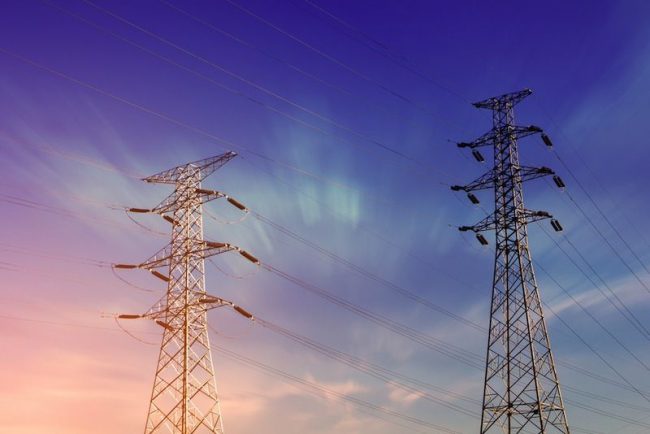
Alternating current, as the name suggests, periodically reverses direction within a circuit. This oscillation occurs at a fixed frequency, typically measured in Hertz (Hz), and enables the efficient transmission of electricity over long distances. AC current is the standard form of electrical power used in homes, businesses, and industrial settings worldwide.
One of the key advantages of AC current is its ability to be easily transformed using devices such as transformers. This allows for voltage to be increased for long-distance transmission, then reduced to safer levels for use in appliances and electronics. Additionally, AC current lends itself well to powering devices that require varying voltage levels, such as motors and heating elements.
Direct current flows steadily in one direction through a circuit, making it ideal for powering electronic devices and small-scale applications. Unlike AC current, which undergoes periodic reversals, DC current maintains a constant polarity, providing a stable source of power. This reliability is particularly advantageous in electronic devices such as computers, smartphones, and portable electronics.
DC current is also commonly used in renewable energy systems, such as solar panels and batteries. Solar panels produce DC electricity, which must be converted to AC for use in homes and businesses. Similarly, batteries store DC energy, which can be utilized directly or converted to AC using inverters.
In conclusion, while both AC and DC currents serve vital roles in powering our modern world, they each offer unique characteristics suited to different applications. Whether it’s the efficient transmission of electricity over long distances with AC or the stable power supply for electronic devices provided by DC, understanding the distinctions between these two currents is essential for harnessing the full potential of electrical power.