
Waterproofing Wisdom: Essential Strategies for Protecting Crates from Moisture During Shipping
Protecting crates from water damage is crucial for ensuring the integrity of shipments during transit, especially when goods are exposed to moisture from various environmental factors such as rain, humidity, or condensation. Implementing effective measures to prevent water infiltration can help safeguard the contents of crates and minimize the risk of damage or deterioration.
One essential strategy is to choose the right materials for constructing customized and sturdy crates. Opting for moisture-resistant materials such as treated wood, plastic, or metal can provide an initial barrier against water penetration. These materials are less susceptible to warping, swelling, or rotting when exposed to moisture, helping to maintain the structural integrity of the crate and protect its contents.
Furthermore, sealing crates with waterproofing products can provide an additional layer of protection against water damage. Applying sealants, coatings, or moisture-resistant paints to the exterior surfaces of the crate can help repel water and prevent it from seeping into the interior. It’s important to ensure that all seams, joints, and openings are properly sealed to minimize the risk of water ingress.
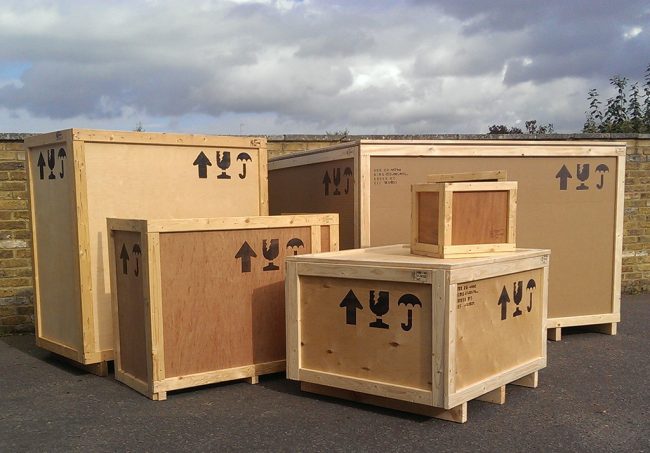
Another effective measure is to use moisture-absorbent materials or desiccants inside the crate to control humidity levels and mitigate the effects of moisture buildup. Silica gel packets or moisture-absorbent pads can help absorb excess moisture and prevent condensation from forming inside the crate, thereby reducing the risk of water damage to the contents.
Additionally, investing in waterproof packaging materials such as plastic liners, shrink wrap, or moisture-resistant barriers can provide an extra layer of protection for individual items within the crate. Wrapping items in waterproof packaging before placing them inside the crate can help prevent direct exposure to water and minimize the risk of damage during transit.
In conclusion, protecting crates from water damage during shipping requires a multi-faceted approach that includes choosing moisture-resistant materials, sealing crates with waterproofing products, using moisture-absorbent materials or desiccants, and investing in waterproof packaging materials. By implementing these measures, shippers can mitigate the risk of water damage and ensure that their shipments arrive safely and intact at their destination.