
Unlocking the Value: Selling Land for Hunting Opportunities
Selling land for hunting isn’t just about transferring ownership; it’s about unlocking the potential of natural landscapes to enthusiasts seeking outdoor experiences. Across the country, landowners are discovering the value of their properties beyond traditional uses, recognizing the demand for hunting grounds among a growing population of enthusiasts. Whether it’s vast woodlands teeming with wildlife or expansive meadows offering open vistas, every parcel of land has the potential to become a coveted hunting destination.
In the realm of real estate, selling land for hunting isn’t merely a transaction – it’s a strategic endeavor that requires a deep understanding of both the land itself and the desires of prospective buyers. Successful sellers recognize that hunting land isn’t just about the acreage; it’s about the quality of the habitat, the diversity of game species, and the overall experience it offers. By highlighting these unique attributes, sellers can attract buyers who are passionate about the outdoors and willing to invest in premium hunting opportunities.
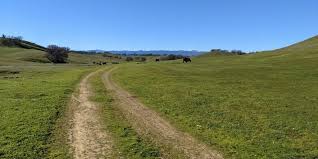
The appeal of hunting land extends far beyond its recreational value. For many buyers, it represents a chance to connect with nature, escape the hustle and bustle of urban life, and forge lasting memories with friends and family. Moreover, owning hunting land can be a sound investment, offering potential revenue streams through leasing agreements, guided hunts, or even ecotourism ventures.
However, selling hunting land requires more than just listing it on the market. It demands a targeted marketing approach that reaches the right audience of potential buyers. This might involve leveraging online platforms, engaging with hunting communities and associations, or partnering with local outfitters and guides. Additionally, sellers must be prepared to provide detailed information about the land’s features, such as topography, habitat diversity, and wildlife populations, to help buyers make informed decisions.
In the end, selling land for hunting is about more than just making a profit – it’s about facilitating connections between people and nature, preserving cherished landscapes, and perpetuating a timeless tradition. By recognizing the intrinsic value of their land and effectively communicating that value to buyers, sellers can ensure that their hunting properties find the right stewards who will appreciate, protect, and enjoy them for years to come.